
Posts tagged with 'budget'

The sofa takes centre stage in the living room, where we unwind, entertain guests, and create lasting memories with our loved ones. Selecting the ideal sofa is more than just a matter of aesthetics; it's about comfort, functionality, and how well it complements your living space. In this article, we'll guide you through the key factors to help you choose the perfect sofa that will enhance the comfort and style of your living room.
Measure Your Space
Before you begin your search for sofas, take accurate measurements of your living room. Consider the sofa's dimensions in relation to the available space, ensuring it fits comfortably without dominating the room. Also, think about the sofa's depth, as deeper sofas offer a more relaxed seating experience, while shallower ones are sleeker and space-efficient.
Style and Design
Sofas come in a variety of styles, from classic to contemporary and everything in between. Your choice should harmonise with your existing decor or serve as the focal point of a new design scheme. Explore options such as traditional rolled-arm sofas, mid-century modern pieces, or streamlined contemporary designs to discover the style that resonates with you.
Upholstery
The choice of upholstery fabric significantly impacts the sofa's comfort and durability. Consider your lifestyle and the sofa's intended use. If you have children or pets, you might opt for durable, stain-resistant fabrics like microfibre or leather. Conversely, if you desire luxury and comfort, plush velvet or chenille can be attractive choices.
Colour and Pattern
The colour and pattern of the sofa should complement your living room's colour scheme and overall aesthetic. Neutrals such as beige, grey, and white are timeless and versatile, allowing you to experiment with different accent colours through cushions and throws. Bold colours or patterns can add drama and personality, but be mindful of their long-term appeal and adaptability.
Comfort and Cushioning
Comfort is paramount when choosing a sofa. Test the seating comfort by sitting on different sofas in the showroom. Consider the cushioning material—foam, down, or a combination of both. Sofas with removable and reversible cushions can extend their lifespan and maintain their comfort over time.
Frame and Construction
Examine the sofa's frame and construction quality. A robust, well-built frame made from hardwood or metal ensures durability and longevity. Sofas with corner-blocked, glued, and screwed joints are typically more robust and reliable.
Seating Capacity
Determine the seating capacity you need. Sofas come in various sizes, from loveseats for two to sectional sofas that can accommodate a crowd. Choose a size that suits your household's requirements and the proportions of your living room.
Additional Features
Explore sofas with additional features that cater to your lifestyle. Some sofas come with built-in recliners, sleeper mechanisms, or storage compartments, offering added convenience and functionality.
Budget
Establish a budget and adhere to it. Sofas vary widely in price, so it's crucial to set a budget range that aligns with your financial objectives while allowing for quality and comfort.
Selecting the ideal sofa for your living room involves a blend of style, comfort, and functionality. Take into account your available space, personal preferences, lifestyle, and budget to make an informed decision. Your sofa should not only enhance the aesthetics of your living room but also provide a comfortable and welcoming space for relaxation and socialising. With these considerations in mind, you'll be well-equipped to find the perfect sofa that complements your living room's needs and your distinctive sense of style.
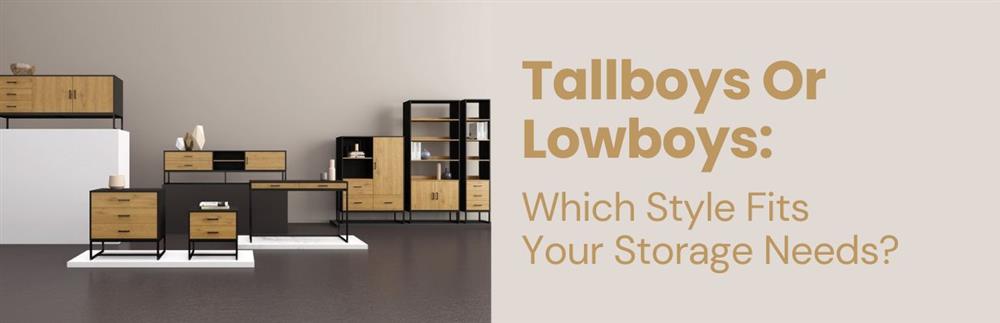 When it comes to choosing storage furniture for your home, tallboys and lowboys are two popular options to consider. These furniture pieces provide ample storage space while also adding style to your living spaces. But which style is the right fit for your storage needs? Let's explore the characteristics and benefits of tallboys and lowboys to help you make an informed decision.
Tallboys and lowboys are types of storage furniture typically used in bedrooms, living rooms, or any area where additional storage is needed. They are characterized by their vertical or horizontal orientation and multiple drawers or compartments, allowing for organized storage of various items.
The primary difference between a tallboy and a lowboy lies in their proportions and height. A tallboy is a tall, narrow piece of furniture with several drawers stacked vertically. It offers more vertical storage space while occupying less floor area, making it an excellent choice for rooms with limited space. On the other hand, a lowboy, also known as a wide chest or dresser, is a shorter and wider piece with drawers arranged horizontally. It provides a broader surface area on top, making it suitable for displaying decor or serving as a media console.
What are the advantages of tallboys?
Tallboys offer several advantages that make them a popular choice for storage needs:
- Vertical Storage: With their tall and slim design, tallboys maximize vertical space, making them ideal for rooms with the limited floor area. They provide ample storage capacity without taking up much room, allowing you to store a variety of items from clothing and accessories to books and linens.
- Space-Saving: Tallboys are an efficient storage solution as they take advantage of vertical space while requiring less horizontal space. This makes them particularly suitable for smaller bedrooms or apartments where optimizing floor space is crucial.
- Accessibility: The vertical arrangement of drawers in Tallboys allows for easy access and organisation of items. You can categorize and separate belongings in different drawers, making it convenient to find what you need without digging through cluttered storage space.
What are the advantages of lowboys?
Lowboys offer unique benefits that make them a versatile storage option:
- Surface Area: Lowboys have a wider top surface area, providing an opportunity for decorative displays or functional purposes. You can place a mirror, artwork, or other decor items on top, creating an attractive focal point in your room.
- Spacious Drawers: Lowboys often feature larger and wider drawers compared to tall boys. This makes them suitable for storing bulkier items such as sweaters, blankets, or larger clothing items.
- Versatility: Due to their horizontal design, lowboys can serve various purposes beyond bedroom storage. They can be used as TV stands, media consoles, or even entryway storage, offering both style and functionality to different areas of your home.
How do I choose between a tallboy and a lowboy?
When deciding between a tallboy and a lowboy, consider the following factors:
- Space: Assess the available space in your room. If you have limited floor space but ample vertical space, a tall boy would be a suitable choice. For wider rooms or areas where a broader surface is needed, a lowboy can be more fitting.
- Storage Needs: Evaluate the type and quantity of items you need to store.
- Style and Aesthetics: Consider the overall style and aesthetic of your room and how the tallboy or lowboy will complement your existing decor. Tallboys with their sleek and vertical design can create a more modern and minimalist look, while lowboys with their wider top surface can add a touch of elegance and versatility.
- Budget: Take into account your budget and the cost of the furniture pieces. Tallboys and lowboys vary in price depending on factors such as material and design. Determine your budget range and explore options that fit within your financial means.
Both tallboys and lowboys offer unique advantages and cater to different storage needs. Consider the available space, storage requirements, style preferences, and budget when making your decision. By carefully evaluating these factors, you can choose the style that best fits your storage needs and enhances the overall aesthetics of your home. Check our tallboy and lowboy selections!
.jpg) When it comes to creating a comfortable and ergonomic workspace, choosing the right office chair is crucial. One option to consider is an office chair with a footrest. These chairs offer additional support and relaxation for your legs and feet while you work. In this article, we'll explore the benefits of an office chair with a footrest and help you decide if it's worth investing in one for your workspace.
When it comes to creating a comfortable and ergonomic workspace, choosing the right office chair is crucial. One option to consider is an office chair with a footrest. These chairs offer additional support and relaxation for your legs and feet while you work. In this article, we'll explore the benefits of an office chair with a footrest and help you decide if it's worth investing in one for your workspace.
Benefits of an Office Chair with Footrest:
- Improved Circulation and Reduced Leg Fatigue:
Sitting for long hours can lead to poor blood circulation and leg fatigue. An office chair with a footrest allows you to elevate your legs, promoting better blood flow and reducing the strain on your legs. This can help alleviate discomfort and prevent issues like swelling or numbness.
- Enhanced Comfort and Relaxation:
A footrest provides a comfortable place to rest your feet, reducing pressure on your legs and promoting a more relaxed sitting posture. It allows you to shift your weight and change positions throughout the day, preventing stiffness and improving overall comfort.
- Reduced Lower Back Strain:
Elevating your feet with a footrest can help maintain a proper posture and reduce the strain on your lower back. By distributing your weight more evenly, a footrest can alleviate pressure on your spine and pelvis, reducing the risk of lower back pain.
- Versatility and Adaptability:
An office chair with a footrest offers versatility, as it can be adjusted or flipped up when not in use. This allows you to use the chair in different ways, catering to your specific needs and preferences. Whether you need to relax, stretch your legs, or focus on a task, the footrest can be adjusted accordingly.
Should You Invest in an Office Chair with Footrest? While the benefits of an office chair with a footrest are clear, it's essential to consider your specific needs and working habits before making a decision.
Here are a few factors to consider:
- Work Style and Tasks:
If your work involves long periods of sitting and you frequently experience leg fatigue or discomfort, an office chair with a footrest can provide significant relief. However, if your work primarily involves standing or you tend to move around frequently, a footrest may not be as necessary.
- Workspace and Size:
Consider the available space in your workspace. Office chairs with footrests can take up more room and may not be suitable for smaller or more compact work areas. Ensure that the chair and footrest can fit comfortably in your workspace without hindering your movement or creating clutter.
- Budget:
Office chairs with footrests often come with additional features and ergonomic adjustments, which can affect their price. Consider your budget and determine if the investment in a chair with a footrest aligns with your financial considerations and priorities.
Can the footrest of an office chair be adjusted to accommodate different leg lengths?
Yes, many office chairs with footrests offer adjustable features to accommodate different leg lengths. The footrest can usually be extended, allowing you to find the most comfortable position for your legs. It's important to check the specifications and range of adjustability of the footrest before purchasing to ensure it can accommodate your specific needs. In conclusion, investing in an office chair with a footrest can provide several benefits, including improved circulation, reduced leg fatigue, enhanced comfort, and reduced lower back strain. However, it's essential to consider your work style, workspace limitations, and budget before making a decision. Assess your needs and preferences to determine if an office chair with a footrest is the right choice for your ergonomic and comfort requirements.
Check our office chairs selections!
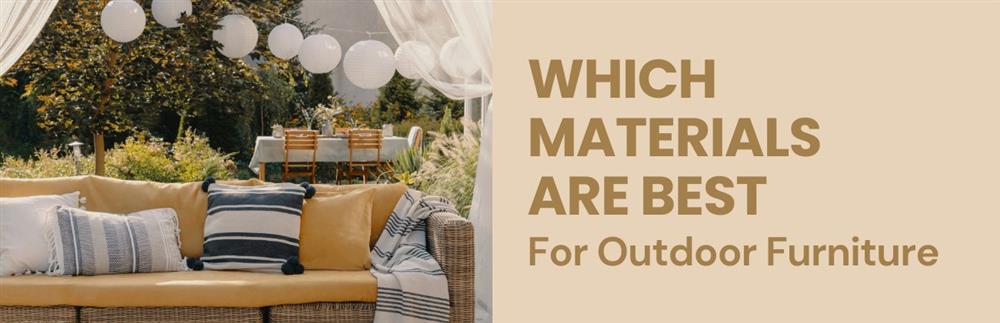
Choosing the right materials for outdoor furniture is crucial to ensure durability, weather resistance, and long-lasting enjoyment of your outdoor space. With various options available, understanding the characteristics and benefits of different materials can help you make an informed decision. This buyer's guide will explore some of the best materials for outdoor furniture, considering their durability, weather resistance, maintenance requirements, and overall suitability for outdoor use.
Teak:
Teak is a popular choice for outdoor furniture due to its exceptional durability and natural resistance to weather elements. It has inherent oils that protect against moisture, insects, and rot. Teak furniture requires minimal maintenance, often developing an attractive silver patina over time. However, it can be relatively expensive compared to other materials.
Aluminum:
Aluminum is lightweight, rust-resistant, and requires minimal maintenance, making it an excellent choice for outdoor furniture. It withstands various weather conditions, including rain and sun exposure. Aluminum furniture is available in a wide range of styles and is often more affordable than other materials.
Synthetic Wicker:
Synthetic wicker furniture is made from high-quality resin or synthetic fibers designed to mimic the look of natural wicker. It offers excellent weather resistance, UV protection, and durability. Synthetic wicker furniture requires minimal maintenance, usually limited to occasional cleaning. It is available in various styles and can complement different outdoor aesthetics.
Plastic:
Plastic or resin furniture is affordable, lightweight, and resistant to weather elements. High-quality plastic furniture can be quite durable and requires minimal maintenance. It is available in numerous colors and styles, making it a versatile option for outdoor spaces.
Stainless Steel:
Stainless steel is a highly durable and corrosion-resistant material suitable for outdoor furniture. It offers a sleek and modern aesthetic. Stainless steel furniture requires minimal maintenance and can withstand various weather conditions. However, it may retain heat under direct sunlight and can be more expensive than other materials.
How can I choose the best material for my outdoor furniture?
When choosing the best material for your outdoor furniture, consider factors such as durability, weather resistance, maintenance requirements, budget, and aesthetic preferences. Evaluate the climate in your area, the specific demands of your outdoor space, and the level of maintenance you are willing to undertake. Additionally, consider the overall style and ambiance you want to create in your outdoor area. By carefully considering these factors, you can select the material that best suits your needs and ensures the longevity and enjoyment of your outdoor furniture.
Are there any materials that offer a combination of durability and a traditional aesthetic?
Yes, materials like teak and wrought iron offer a combination of durability and a traditional aesthetic. Teak furniture is known for its timeless beauty and natural warmth, making it a popular choice for those seeking a classic look. Wrought iron furniture also provides a traditional charm with its ornate designs and elegant curves. Both materials are highly durable and can withstand outdoor conditions while adding a touch of sophistication to your outdoor space.
Choosing the right materials for your outdoor furniture is crucial for durability, weather resistance, and aesthetic appeal. Teak, aluminum, wrought iron, synthetic wicker, and other materials offer various benefits and styles. Consider durability, weather resistance, maintenance, budget, and desired look when making your decision. Proper care and maintenance will ensure your outdoor furniture lasts and enhances your outdoor space.
Check our patio furniture selections!
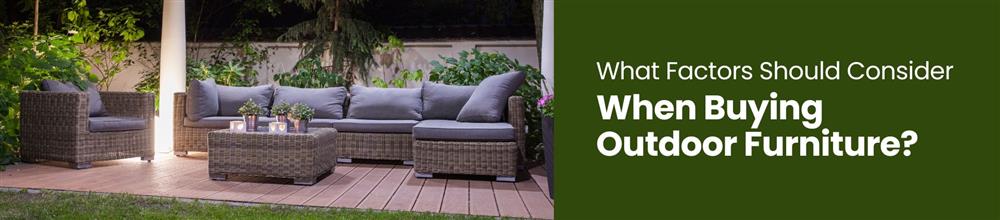
When it comes to enhancing your outdoor living space, investing in good-quality outdoor furniture is a crucial decision. Whether you have a cozy balcony, a spacious patio, or a sprawling backyard, choosing the right furniture can transform your outdoor area into a comfortable and inviting oasis. However, with so many options available on the market, it's essential to consider several factors before making your purchase. This article aims to guide you through the key considerations that will help you make an informed decision when buying outdoor furniture.
Durability:
One of the primary factors to consider when purchasing outdoor furniture is its durability. Since outdoor furniture is exposed to various weather conditions, including rain, sun, wind, and temperature fluctuations, it needs to withstand these elements. Look for materials such as teak, aluminum, wrought iron, or high-quality synthetic wicker, as they are known for their durability and resistance to the outdoor environment.
Weather Resistance:
Alongside durability, weather resistance plays a vital role in determining the longevity of outdoor furniture. Ensure that the furniture you choose is specifically designed to withstand the climate in your region. For instance, if you live in an area with high humidity, it's advisable to opt for furniture with rust-resistant coatings or treated wood that can resist moisture. Similarly, if your location experiences intense sunlight, UV-resistant materials can prevent fading and deterioration.
Comfort and Style:
Comfort is key when selecting outdoor furniture, as it directly impacts your overall outdoor experience. Consider the ergonomics of the seating options, such as the depth of the seats, backrest angle, and the presence of cushions or padding. Additionally, pay attention to the style and aesthetics of the furniture, ensuring it complements your outdoor space and personal taste. Whether you prefer modern, traditional, or rustic designs, choose furniture that aligns with your desired outdoor ambiance.
Size and Scale:
Before making a purchase, carefully measure your outdoor area to determine the appropriate size and scale of the furniture. Oversized furniture can overwhelm a small space, while undersized furniture may appear insignificant or uncomfortable. Take note of any existing structures or features like trees, plants, or outdoor cooking areas that may affect the layout and arrangement of the furniture.
Maintenance:
Consider the maintenance requirements of the outdoor furniture you intend to purchase. Some materials, such as teak or aluminum, require minimal upkeep and can naturally withstand the elements. On the other hand, certain materials, like wrought iron or steel, may require regular maintenance, including painting or rust prevention. Take into account the time and effort you are willing to invest in maintaining your outdoor furniture to ensure its longevity.
Budget:
Outdoor furniture comes in a wide range of prices, so it's essential to establish a budget before starting your search. Determine the maximum amount you are willing to spend and consider the longevity and quality of the furniture when making your decision. Remember that investing in higher-quality furniture upfront can save you money in the long run by reducing the need for frequent replacements.
Buying outdoor furniture involves careful consideration of factors such as durability, weather resistance, comfort, style, size, maintenance, and budget. By taking these factors into account, you can make a well-informed decision that results in outdoor furniture that not only enhances your outdoor living space but also stands the test of time.
Check our patio furniture selections!
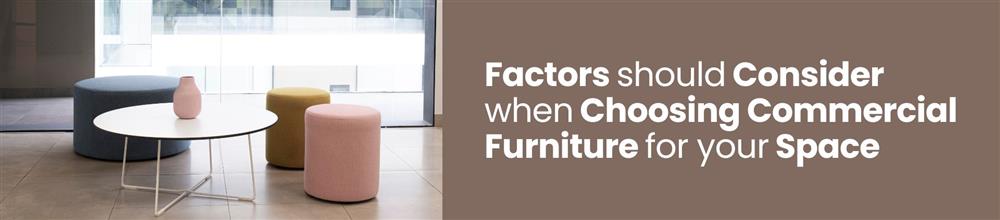
Selecting the right commercial furniture for your space is essential to create a functional, aesthetically pleasing, and comfortable environment. Whether you're furnishing an office, restaurant, hotel, or retail store, considering the following factors will help you make informed decisions that meet your specific needs. In this informative article, we will explore the key factors to consider when choosing commercial furniture for your space.
Functionality and Purpose: First and foremost, assess the functionality and purpose of the furniture. Consider how the furniture will be used and what activities it needs to support. For example, office furniture should prioritise ergonomics and productivity, while restaurant furniture should be durable and easy to clean. Understanding the specific requirements of your space will guide you in selecting furniture that meets your functional needs.
Space Constraints and Layout: Take into account the available space and layout of your commercial area. Measure the dimensions of the space to ensure that the furniture you choose fits appropriately. Consider factors such as walkways, clearances, and the arrangement of other elements in the space. Optimise your furniture selection to maximise the use of available space and create a comfortable flow for customers or employees.
Aesthetics and Brand Identity: Commercial furniture plays a significant role in shaping the overall aesthetics and brand identity of your space. Consider the desired ambiance and atmosphere you want to create. Choose furniture styles, colours, and materials that align with your brand image and complement the overall design theme. Whether it's modern, classic, rustic, or contemporary, the furniture should enhance the visual appeal and convey your desired message to customers or clients.
Durability and Maintenance: Commercial spaces experience heavy use, so durability is crucial when selecting furniture. Look for high-quality materials known for their sturdiness and resistance to wear and tear. Consider factors such as frame construction, upholstery quality, and finishes. Additionally, assess the maintenance requirements of the furniture. Opt for materials that are easy to clean and maintain, especially in high-traffic areas or environments prone to spills or stains.
Comfort and Ergonomics: Comfort is key, especially when it comes to furniture that will be used for long periods. Prioritise ergonomics by selecting chairs, sofas, or seating options that offer proper support and encourage good posture. Consider adjustable features, such as seat height or lumbar support, to accommodate various body types and preferences. Comfortable furniture contributes to employee satisfaction and customer experience, enhancing the overall functionality of your space.
Budget and Value for Money: Establish a budget for your commercial furniture project and seek options that offer the best value for money. Compare prices, quality, and warranties from different suppliers. Consider the long-term value of the furniture in terms of durability, maintenance costs, and potential for reconfiguration or expansion. Striking a balance between quality and affordability will ensure you make a wise investment that meets your budget constraints.
Ensuring the quality of commercial furniture is essential for its durability and performance. Here are a few steps you can take to assess the quality:
Research and reputation: Look for reputable manufacturers or suppliers with a track record of producing high-quality furniture. Read customer reviews and testimonials to gauge their reputation and the experiences of other buyers.
Material selection: Pay attention to the materials used in the furniture. Choose the right material for your space. It can be solid wood or engineered wood which is suitable for commercial usage.
Construction and craftsmanship: Examine the construction and craftsmanship of the furniture. Check for sturdy joints, reinforced frames, and attention to detail. Well-built furniture is less likely to wear down quickly.
In conclusion, choosing the right commercial furniture for your space requires careful consideration of various factors. Assessing functionality, considering space constraints, aligning with brand aesthetics, prioritising durability and maintenance, ensuring comfort and ergonomics, and managing your budget are all key elements in making an informed decision. By taking these factors into account and assessing the quality of the furniture through research, reputation, material selection, and construction, you can create a functional, visually appealing, and long-lasting environment for your commercial space. Remember, investing in the right commercial furniture is a crucial step towards creating a space that meets your specific needs and leaves a positive impression on customers and employees alike.
Check our commercial grade furniture!


.webp)
_200.webp)