
Posts tagged with 'contemporary decor'
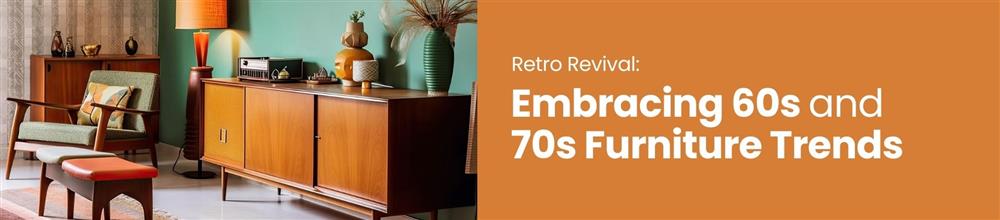
In the ever-evolving world of interior design, styles from the past often resurface, and the 60s and 70s are no exception. The swinging 60s and funky 70s were defining decades for furniture trends, characterised by bold colours, unconventional shapes, and a free-spirited approach to design. In this article, we'll embark on a nostalgic journey and explore the resurgence of 60s and 70s furniture trends, highlighting how these retro styles are experiencing a vibrant revival in contemporary British homes.
The Swinging 60s: A Burst of Colour and Innovation:
The 60s were marked by a spirit of rebellion and creativity, and this ethos was reflected in furniture design. Here are some key elements of 60s furniture trends:
- Pop Art Influence: The pop art movement had a profound impact on furniture, with its bold use of primary colours and geometric patterns. Furniture pieces often featured eye-catching, vibrant hues.
- Modular Furniture: Modular and multifunctional furniture was popular in the 60s, allowing for adaptability and a sense of individuality in home decor.
- Organic Shapes: The era embraced organic, curvilinear shapes in furniture design, from egg-shaped chairs to circular coffee tables.
- Bold Patterns: Striking patterns like florals, abstracts, and polka dots adorned upholstery, cushions, and curtains.
- Iconic Designs: The 60s introduced iconic furniture pieces, such as the Eames Lounge Chair, the Egg Chair, and the Tulip Table, which remain highly sought after today.
The Funky 70s: An Era of Groovy Style:
The 70s brought a groovy and eclectic style to furniture design. Here are some defining characteristics of 70s furniture trends:
- Earth Tones: Earthy colours like avocado green, harvest gold, and burnt orange dominated furniture and decor palettes.
- Wood and Wicker: Furniture materials such as dark wood and wicker were popular, adding warmth and texture to interiors.
- Shag Carpets: Shaggy, deep-pile carpets were a common choice, adding a tactile and retro feel to living spaces.
- Bohemian Influence: The 70s saw the rise of bohemian and hippie aesthetics, with macramé, tapestries, and low seating options becoming fashionable.
- Open Floor Plans: The 70s embraced open floor plans, and furniture designs often aimed to create versatile living spaces.
The Revival of Retro:
So, why are these retro styles making a comeback in contemporary British homes? Here are some reasons:
- Nostalgia: Many people have fond memories of the 60s and 70s, and incorporating elements of these eras into their homes evokes nostalgia and a sense of comfort.
- Timeless Appeal: The bold and unique designs of the 60s and 70s possess a timeless quality that continues to captivate homeowners and designers alike.
- Mixing Eras: Contemporary interior design often involves blending different eras and styles. Retro pieces can add character and a touch of whimsy to modern interiors.
Embracing Retro in Contemporary Decor:
To incorporate 60s and 70s furniture trends into your contemporary decor:
- Choose Statement Pieces: Select iconic retro furniture pieces like a colourful Eames chair or a funky shag rug as statement items.
- Blend with Modern: Pair retro furniture with modern elements to create a balanced and eclectic look.
- Use Retro Accessories: Incorporate retro accessories like lava lamps, vintage posters, or bold-patterned cushions to infuse a touch of nostalgia.
The resurgence of 60s and 70s furniture trends offers an exciting opportunity to embrace the past while infusing your British home with a burst of colour, creativity, and a sense of fun. Whether you opt for a single retro statement piece or go all out with a full-on throwback theme, these trends are a groovy way to add character and personality to your contemporary decor. So, let's dance to the retro revival and celebrate the enduring appeal of these iconic decades in British interior design.
.jpg)
Choosing between gold and silver finishes can be a difficult decision when it comes to decorating your home. Both metals have their own unique qualities and can add a touch of luxury and sophistication to any room. In this article, we'll explore some tips for choosing between gold and silver finishes to help you add some shine to your decor.
Q: What are the differences between gold and silver finishes?
A: Gold finishes have a warm, rich tone that can add a touch of glamour to any room. They are often associated with luxury and opulence, making them a popular choice for high-end decor. Silver finishes, on the other hand, have a cooler, more understated tone. They can add a modern, sleek look to a room and are often used in contemporary decor.
Q: How can I choose between gold and silver finishes?
A: When choosing between gold and silver finishes, consider the overall style and color scheme of your room. Gold finishes work well with warm colors such as reds, oranges, and yellows, while silver finishes complement cool colors such as blues, greens, and purples. You should also consider the other finishes in the room, such as the hardware on your furniture and fixtures, and choose a finish that complements them. Finally, think about the mood you want to create in the room. Gold finishes can create a sense of warmth and elegance, while silver finishes can create a sense of calm and sophistication.
Q: How can I incorporate gold and silver finishes into my decor?
A: There are many ways to incorporate gold and silver finishes into your decor. For example, you can use gold or silver frames for your furniture base, on artworks, incorporate gold or silver accent pillows or throws, or choose a gold or silver light fixture. You can also mix and match gold and silver finishes for a more eclectic look.
Q: Are there any rules for mixing gold and silver finishes?
A: There are no hard and fast rules for mixing gold and silver finishes, but there are some guidelines you can follow. For example, you can mix small accents of gold and silver throughout a room to create a cohesive look. You can also choose one dominant metal and use the other as an accent. Another option is to use metallic finishes that have a mix of gold and silver tones, such as rose gold or brushed nickel.
Q: What are some common mistakes to avoid when using gold and silver finishes in decor?
A: One common mistake when using gold and silver finishes in decor is using too much of one metal. This can make the room feel overwhelming or unbalanced. Another mistake is choosing finishes that clash with each other or with the overall style of the room. Finally, be careful not to overdo it with metallic finishes, as too much shine can make a room feel cold or sterile.
In conclusion, choosing between gold and silver finishes can be a fun and creative way to add some shine to your decor. By considering the overall style and color scheme of your room, incorporating small accents, and mixing and matching finishes, you can create a cohesive and stylish look. Remember to avoid common mistakes and use metallic finishes in moderation to create a warm and inviting space that shines with personality.


.webp)
_200.webp)