
Posts tagged with 'focal point'
.jpg)
We all want our homes to be stylish and comfortable reflections of our personalities. But sometimes, even the most well-intentioned decorating efforts can go awry. When it comes to furniture, there are a few common mistakes that can leave your space feeling disjointed, cramped, or simply unappealing. Don't worry, though! By avoiding these furniture faux pas, you can create a home that's both beautiful and functional.
Scaling Issues:
One of the biggest furniture mistakes is choosing pieces that are the wrong size for the room. A massive sectional sofa might overwhelm a cozy living room, while a tiny loveseat can get lost in a grand space. Before you buy, measure your room carefully and consider the scale of existing furniture.
Furniture Farce Apart:
Pushing all your furniture against the walls creates a cold and uninviting atmosphere. Instead, try arranging furniture in conversation areas, with seating facing each other to encourage interaction. This creates a more social and inviting space.
Traffic Flow Fiasco:
Furniture shouldn't create an obstacle course! Leave enough space for comfortable walkways between furniture pieces. Consider the flow of traffic in your home and avoid blocking doorways or making pathways too narrow.
Focal Point Frenzy:
Having too many focal points in a room can be visually overwhelming. Ideally, each space should have a central focus, like a fireplace, TV, or stunning piece of artwork. Arrange your furniture to draw attention to this focal point, not compete with it.
Light-Blocking Blunder:
Don't block natural light with your furniture! Position furniture away from windows to allow sunlight to flow freely throughout the room. This will make your space feel brighter and more inviting.
Matchy-Matchy Mishap:
While a cohesive look is desirable, a room full of perfectly matching furniture can feel sterile and uninspired. Don't be afraid to mix and match styles, textures, and colors. This creates a more personal and interesting space.
Overstuffed Overload:
Cramming too much furniture into a room creates a cramped and cluttered feeling. Edit ruthlessly! Choose key pieces that serve a purpose and leave enough breathing room for a comfortable and visually balanced space.
Comfort Catastrophe:
Your furniture should be comfortable as well as stylish. When trying out furniture, sit down, relax, and see if it feels good. Don't sacrifice comfort for aesthetics – you'll regret it in the long run!
By avoiding these furniture faux pas, you can create a home that's not only beautiful but also comfortable and functional. Remember, your furniture should reflect your personality and create a space you love to live in!
.jpg)
The dining area is often considered the heart of the home—a place where families gather to share meals, conversations, and create lasting memories. Therefore, designing a dining space that is both efficient and stylish is essential. In this article, we'll explore how to navigate dining furniture and layouts to achieve the perfect balance of functionality and style.
Assess Your Space
Start by assessing the size and shape of your dining area. Consider the dimensions of the room and how you intend to use the space. This will help you determine the most suitable furniture and layout for your dining area.
Choose the Right Dining Table
The dining table is the focal point of any dining space, so it's essential to choose the right one. Consider the size of your family, how often you entertain guests, and the available space. Rectangular tables are ideal for larger gatherings, while round or square tables are better suited to smaller spaces.
Select Comfortable Seating
Comfortable seating is essential for enjoying long meals and conversations with family and friends. Choose dining chairs that are both stylish and comfortable, with adequate support for the back and arms. Consider upholstered chairs for added comfort and a touch of elegance.
Maximise Space with Bench Seating
If space is limited, consider incorporating bench seating into your dining area. Benches are a space-saving solution that can accommodate more people around the table while providing a cosy and intimate atmosphere.
Create a Focal Point
Make your dining area visually appealing by creating a focal point. This could be a statement light fixture above the table, a piece of artwork on the wall, or a decorative centrepiece. A focal point adds visual interest and draws the eye into the space.
Pay Attention to Proportions
Ensure that the scale of your dining furniture is proportionate to the size of the room. Avoid overcrowding the space with oversized furniture, as this can make the room feel cramped and uncomfortable. Aim for a balance between functionality and visual appeal.
Consider Traffic Flow
When planning your dining layout, consider the flow of traffic in the room. Leave adequate space around the table for guests to move freely between the dining area and other areas of the home. This will ensure that your dining space is both functional and practical.
Incorporate Storage Solutions
Make the most of your dining space by incorporating storage solutions such as sideboards, buffets, or display cabinets. These pieces not only provide valuable storage space for dinnerware, linens, and glassware but also add visual interest to the room.
Mix and Match Styles
Don't be afraid to mix and match different styles of furniture to create a unique and eclectic dining space. Pair a traditional dining table with modern chairs, or vice versa, for an unexpected and stylish look. Mixing styles add personality and character to your dining area.
Personalise Your Space
Finally, add personal touches to make your dining area feel like home. Display family photos, artwork, or heirloom pieces to infuse your space with warmth and personality. Your dining area should not only be functional and stylish but also a reflection of your unique taste and lifestyle.
By carefully navigating dining furniture and layouts with efficiency and style in mind, you can create a dining space that is both inviting and practical—the true heart of your home. Whether you're hosting a formal dinner party or enjoying a casual meal with family, your dining area will be a space where lasting memories are made.
.jpg)
Arranging furniture in your home isn't just about functionality; it's an art form that can elevate the aesthetic appeal of your space. Whether you're furnishing a new home or looking to refresh your current layout, creative furniture arrangements can transform your interiors and make a bold visual statement. In this article, we'll explore some innovative and artful ways to arrange your furniture for maximum impact.
Symmetrical Symphonies
Symmetrical furniture arrangements exude balance and harmony, creating a sense of order and elegance in your space. Consider arranging identical pieces of furniture, such as matching sofas or chairs, facing each other to create a symmetrical focal point. Add symmetry to your room by placing identical side tables, lamps, or artworks on either side of the arrangement. This classical layout brings timeless elegance to any room, making it perfect for formal living areas or traditional interiors.
Asymmetrical Adventures
For a more dynamic and contemporary look, embrace asymmetrical furniture arrangements that play with varying shapes, sizes, and heights. Experiment with placing furniture pieces off-centre or at different angles to create visual interest and movement in your space. Mix and match contrasting elements, such as pairing a large sectional sofa with a smaller accent chair or combining different textures and materials for added depth. Asymmetrical arrangements inject personality and character into your room, making them ideal for modern and eclectic interiors.
Functional Focal Points
Create a focal point in your room by arranging furniture around a central feature, such as a fireplace, large window, or statement artwork. Anchor your furniture arrangement around this focal point, ensuring that it becomes the visual centrepiece of the room. Arrange seating and other furniture pieces to frame the focal point and draw attention to its significance. This approach not only enhances the visual impact of your space but also ensures that your furniture layout is both functional and visually appealing.
Conversation Corners
Encourage social interaction and intimacy by creating cosy conversation corners within your room. Arrange seating in a circular or semi-circular formation to facilitate easy conversation and interaction among guests. Place a coffee table or ottoman in the centre to provide a focal point and anchor the seating arrangement. Add soft furnishings such as cushions, throws, and rugs to enhance comfort and create a welcoming atmosphere. Conversation corners are perfect for living rooms, family rooms, or any space where people gather to relax and connect.
Multi-Functional Magic
Make the most of your furniture by embracing multi-functional arrangements that serve multiple purposes. Choose furniture pieces with built-in storage, convertible features, or modular designs that can adapt to different needs and activities. Experiment with transforming a sofa into a guest bed, a coffee table into a dining table, or a bookshelf into a room divider. By maximising functionality, you can create versatile and adaptable spaces that cater to your lifestyle and preferences.
Design with Impact
In conclusion, artful furniture arrangements have the power to transform your home and make a lasting impression on anyone who enters. Whether you prefer the timeless elegance of symmetrical layouts or the dynamic energy of asymmetrical designs, there's no limit to the creative possibilities when it comes to arranging your furniture. By experimenting with different layouts, focal points, and functional arrangements, you can create visually stunning interiors that reflect your personal style and enhance your everyday living experience. So, embrace the art of furniture arrangement and let your creativity take centre stage in your home.
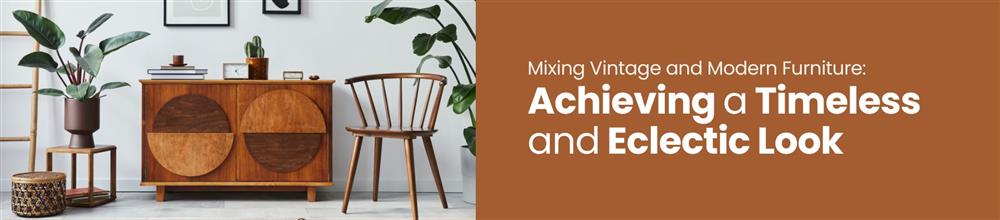
In the realm of interior design, a popular trend seamlessly blends the old and the new - mixing vintage and modern furniture. This delightful combination creates a timeless and eclectic look that adds character and charm to any living space. In this blog article, we will explore the art of blending vintage and modern pieces to achieve a harmonious balance that showcases your unique style while creating a warm and inviting atmosphere in your home.
Embrace the Contrast
One of the key principles of successfully mixing vintage and modern furniture is to embrace the contrast between the two styles. Modern furniture is characterised by clean lines, minimalism, and sleek designs, while vintage furniture often boasts ornate details, classic silhouettes, and rich textures. Instead of attempting to match everything perfectly, celebrate the differences and let them complement each other.
For instance, pairing a contemporary leather sofa with an intricately carved antique coffee table creates a striking visual juxtaposition that captivates the eye. The contrasting elements highlight the individual beauty of each piece, making the entire room more visually engaging.
Focus on Cohesive Colours
While you celebrate the contrast in styles, maintaining a cohesive colour palette is essential for a harmonious look. Choose a colour scheme that unifies the space and ties together the vintage and modern elements. Neutral tones, such as whites, greys, or earthy hues, can serve as a backdrop for both styles, allowing each piece to stand out without clashing.
Incorporate accent colours strategically to add depth and character to the room. For instance, cushions, rugs, or artwork can introduce pops of colour that enhance the overall design while bridging the gap between vintage and modern elements.
Balance Proportions
Proportion is crucial when mixing furniture styles. Be mindful of the scale of each piece to ensure they work well together. If you have a large vintage cabinet, balance it with a modern sofa or chairs of a similar visual weight. Avoid overcrowding the space with too many bold pieces from either style, as this can lead to a cluttered and overwhelming look.
Consider the layout of the room and the flow of movement. A well-balanced combination of vintage and modern pieces will create a space that feels inviting and comfortable while highlighting the uniqueness of each furniture style.
Create a Focal Point
A focal point in the room can tie the vintage and modern elements together effortlessly. It could be a standout vintage piece, such as an antique chandelier or an art deco mirror, or a modern statement piece, like a contemporary sculpture or an eye-catching rug. Let this focal point guide your design choices and help blend the different styles seamlessly.
Tell a Story with Accessories
Accessories play a significant role in tying vintage and modern furniture together. Display meaningful and personal items, such as family heirlooms, vintage photographs, or modern sculptures, to create a narrative that connects the past and the present. These personal touches infuse your living space with your unique history and personality, making it feel like a truly curated and cohesive home.
Mixing vintage and modern furniture is a captivating design approach that allows you to showcase your creativity and create a space that transcends time. Embrace the contrast between the two styles, focus on cohesive colours, and balance proportions to achieve a harmonious look. By creating a focal point and incorporating meaningful accessories, you can weave a story that connects the vintage and modern elements, resulting in a timeless and eclectic living space that reflects your distinctive taste and style. So, go ahead and embark on the journey of blending the old with the new, and let your home become a masterpiece of vintage and modern fusion.
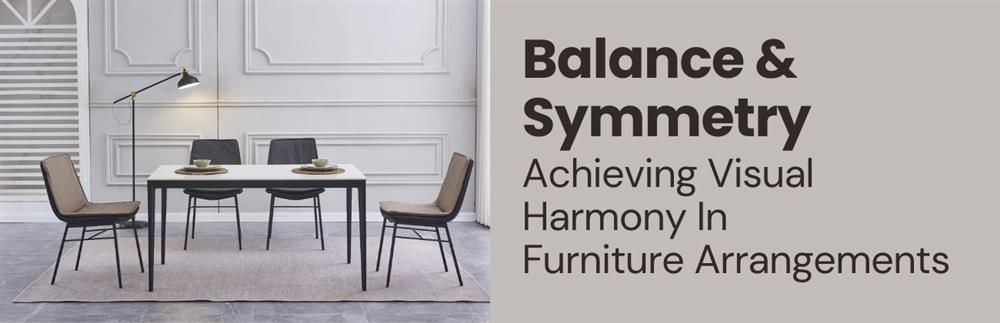
When it comes to interior design, furniture placement plays a crucial role in creating a visually pleasing and harmonious space. The arrangement of furniture not only affects the functionality of a room but also significantly impacts its overall aesthetics. Achieving balance and symmetry in furniture arrangements is key to creating a sense of visual harmony. In this article, we will delve into the importance of balance and symmetry, explore different types of balance, and provide practical tips on arranging furniture to create a visually stunning living space.
Understanding the Importance of Balance and Symmetry
Balance and symmetry are fundamental principles in design that create a sense of order, stability, and equilibrium. When applied to furniture placement, they ensure that a room feels cohesive and visually appealing. Without balance and symmetry, a space can appear cluttered, chaotic, or off-balance.
Balance refers to the distribution of visual weight in a room. Achieving balance involves arranging furniture and decor elements in a way that creates equilibrium and visual stability. Symmetry, on the other hand, involves mirroring objects or arranging them in a way that creates a sense of harmonious proportion.
Exploring Different Types of Balance
There are various types of balance that can be employed in furniture arrangements, each with its own unique aesthetic impact. Understanding these types will help you choose the most suitable balance for your desired style.
- Symmetrical Balance: Symmetrical balance is achieved by placing identical or similar objects in a mirrored arrangement. This type of balance is often associated with a formal and traditional aesthetic. For instance, a sofa flanked by two identical armchairs or a bed with matching nightstands on either side creates a symmetrical balance.
- Asymmetrical Balance: Asymmetrical balance involves arranging objects of different visual weight or size to create equilibrium. It can be achieved by distributing objects with varying heights, textures, or colors across a space. Asymmetrical balance allows for a more relaxed and informal look, adding visual interest and uniqueness to a room.
- Radial Balance: Radial balance is centered around a focal point, with objects radiating outward in a circular or spiral arrangement. This type of balance is often seen in rooms with a central point of focus, such as a dining table surrounded by chairs or a coffee table with seating arranged around it. Radial balance adds a dynamic and energetic feel to a space.
Practical Tips for Achieving Visual Harmony
Now that we have explored the importance of balance and symmetry, let's delve into some practical tips for arranging furniture to create a visually pleasing and harmonious space.
- Plan the layout: Before moving any furniture, create a rough sketch or use a digital tool to plan the layout of the room. Consider the size and shape of the space, as well as the function and flow you want to achieve.
- Start with the focal point: Identify the focal point of the room, such as a fireplace, large window, or entertainment center. Arrange furniture around this focal point to create a sense of cohesion and visual hierarchy.
- Consider traffic flow: Ensure that there is enough space for comfortable movement within the room. Leave clear pathways and avoid placing furniture in a way that obstructs the natural flow of traffic.
- Mix and match: Experiment with a combination of different balance types. For instance, you can place a large, visually heavy piece of furniture on one side of the room and balance it out with a group of smaller objects on the other side.
- Pay attention to scale and proportion: Ensure that the size of the furniture is appropriate for the space. Avoid overcrowding or leaving vast empty areas. Aim for a harmonious balance between furniture sizes to maintain a visually pleasing environment.
- Play with heights: Vary the heights of furniture and accessories to add visual interest. Mix taller pieces, such as bookshelves or floor lamps, with lower items like sofas or coffee tables. This creates a sense of vertical balance and prevents the room from feeling flat or monotonous.
- Consider color and pattern: Incorporate color and pattern in a balanced way. Choose a color palette that complements the overall style of the room and distribute it evenly throughout the space. When using patterns, ensure that they are proportionate and not overwhelming. A balanced distribution of color and pattern helps create a cohesive and visually pleasing atmosphere.
- Pay attention to negative space: Negative space, also known as empty or white space, is an essential element in creating balance. Allow for some empty areas within the room to give the eyes a place to rest. This helps prevent the space from feeling overcrowded and allows the furniture and decor elements to stand out.
- Experiment with furniture angles: Don't be afraid to angle furniture pieces slightly to add a dynamic touch to the room. Angled arrangements can create a sense of movement and energy while maintaining balance and symmetry.
- Use mirrors strategically: Mirrors not only serve a functional purpose but can also enhance the visual balance in a room. Placing a mirror opposite a window or focal point reflects light and creates a sense of spaciousness. Mirrors can also be used to visually balance asymmetrical arrangements by creating a mirrored effect.
- Edit and declutter: Regularly assess your furniture arrangement and remove any unnecessary or visually distracting items. Clutter disrupts visual harmony and can make a room feel chaotic. Streamline the space by keeping only essential pieces that contribute to the overall balance and symmetry.
Remember, achieving visual harmony in furniture arrangements is a creative process that requires experimentation and a keen eye for detail. Trust your instincts and have fun while arranging your furniture to create a space that reflects your personal style while maintaining a sense of balance and symmetry.
.jpg) Nesting coffee tables have become a popular choice for those looking to add both style and functionality to their living spaces. These tables consist of two or more smaller tables that can be neatly stacked together to save space when not in use. When needed, the smaller tables can be pulled out and arranged in various configurations, offering flexibility and versatility in their design.
Nesting coffee tables have become a popular choice for those looking to add both style and functionality to their living spaces. These tables consist of two or more smaller tables that can be neatly stacked together to save space when not in use. When needed, the smaller tables can be pulled out and arranged in various configurations, offering flexibility and versatility in their design.
One of the most appealing aspects of nesting coffee tables is their ability to adapt to different situations. Whether you are hosting a gathering and need additional surface area for drinks and snacks or simply want to create an interesting focal point in your living room, nesting coffee tables can effortlessly cater to your needs. Their stackable design makes them easy to store and move around, making them an ideal choice for small apartments or homes with limited space.
Nesting coffee tables come in a wide range of styles, ensuring that you can find the perfect set to match your personal taste and existing decor. From sleek and modern designs featuring clean lines and minimalist finishes to more traditional options with intricate detailing and ornate features, there is a nesting coffee table set for every aesthetic preference. Additionally, the materials used can vary greatly, including wood, metal, glass, and even acrylic, allowing you to choose the one that best suits your style and needs.
How can nesting coffee tables enhance the look of a living room?
Nesting coffee tables can instantly elevate the aesthetic appeal of a living room. Their unique design adds visual interest and dimension to the space, creating a stylish focal point. By choosing a set that complements the existing furniture and color scheme, nesting coffee tables can tie the entire room together, giving it a cohesive and well-curated look. Additionally, the versatility of nesting coffee tables allows you to experiment with different arrangements, adding a touch of creativity and personalization to your living room decor.
Are nesting coffee tables practical for everyday use?
Absolutely! Nesting coffee tables not only offer style but also practicality for everyday use. The ability to separate the smaller tables and place them strategically around the room provides added convenience. You can have a table within arm's reach, whether you're enjoying a cup of coffee while reading a book, working on your laptop, or entertaining guests. When not in use, the tables can be neatly stacked together, freeing up space and creating a clutter-free environment.
Nesting coffee tables are a fantastic choice for those seeking versatile and stylish furniture pieces. Their stackable design, range of styles, and practicality make them a valuable addition to any living space. Whether you are looking to enhance the look of your living room, create a functional workspace, or add a touch of elegance to your bedroom, nesting coffee tables are sure to impress. Explore our nesting table options and discover the versatility and style that nesting coffee tables can bring to your home.
-Copy-1.jpg) Home Décor
Home Décor
Table runners are versatile and decorative pieces of fabric that are placed along the length of a table, adding style, texture, and color to the overall decor. They are typically narrower than tablecloths and are designed to highlight and enhance the beauty of the table's surface while leaving the ends exposed.
Incorporating table runners into your home décor offers a multitude of benefits that can transform the look and feel of your living spaces. Here are some key advantages:
Enhanced Aesthetics:
Table runners instantly elevate the visual appeal of a table setting by adding a layer of color, pattern, and texture. They provide an opportunity to introduce a pop of color or incorporate patterns that complement your existing décor, creating a cohesive and inviting atmosphere.
Versatility and Flexibility:
Table runners are incredibly versatile and can be used in various settings and occasions. They can be easily changed or switched out to suit different seasons, holidays, or special events, allowing you to refresh your décor without investing in new furniture or major changes.
Protection and Maintenance:
Table runners not only enhance the aesthetics but also serve a practical purpose. They protect the table's surface from scratches, spills, and heat damage, acting as a barrier between the table and objects placed on it. Additionally, they are easier to clean and maintain compared to full tablecloths, as they require less washing and drying.
Visual Focal Point:
Table runners can act as a focal point or centerpiece for your table, drawing attention and adding visual interest. By choosing a table runner with unique designs, vibrant colors, or intricate details, you can create a stunning focal point that becomes a conversation starter and adds personality to your home.
How can table runners be used creatively in home décor?
Table runners offer endless opportunities for creative and unique décor arrangements. Here are a few ideas to inspire you:
Dining Table Elegance:
Use table runners on dining tables to create an elegant and inviting atmosphere for family meals or special occasions. Coordinate the colors and patterns with your dinnerware and centerpieces to create a cohesive look.
Console Table Styling:
Drape a table runner on a console table in your entryway or living room to add a touch of style and sophistication. Pair it with decorative accents like candles, vases, or artwork to create a visually appealing vignette.
Bedroom Glamour:
Extend the beauty of table runners to your bedroom by placing them on top of dressers or nightstands. This adds a luxurious touch while providing a practical surface for small decor items or personal belongings.
Outdoor Entertaining:
Take your table runners outdoors and use them to adorn your patio or garden dining table. They not only enhance the outdoor ambiance but also protect the table from outdoor elements.
Table runners are a versatile and valuable addition to your home décor. With their ability to enhance aesthetics, offer flexibility, provide protection, and create visual focal points, they bring a host of benefits to your living spaces.
Explore our table runners selections!
.webp)


.webp)
_200.webp)