
Posts tagged with 'modern furniture'
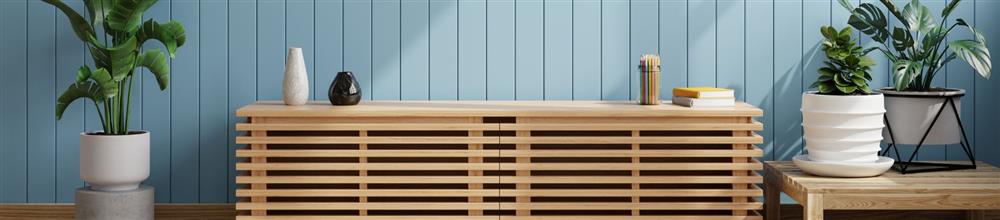
In the ever-evolving world of interior design, furniture trends are constantly shifting, reflecting changes in lifestyle, technology, and consumer preferences. If you’re looking to refresh your space or simply stay informed about the latest styles, here’s a look at what’s hot in furniture design right now.
Sustainable Design
Eco-Friendly Materials
Sustainability is more than just a buzzword; it's a vital consideration in today’s furniture design. Consumers are increasingly prioritising eco-friendly materials like reclaimed wood, bamboo, and recycled metals. Brands are now focusing on ethical production processes and sustainable sourcing, making it easier to find beautiful pieces that are also kind to the planet.
Bold Colours and Patterns
Vibrant Hues
Gone are the days of neutral palettes dominating interior spaces. Right now, bold colours are making a significant impact. Expect to see rich jewel tones like emerald green, sapphire blue, and deep burgundy in furniture pieces. These colours can add a striking focal point to any room.
Graphic Patterns
Patterns are also in vogue, with geometric designs and abstract prints appearing on upholstery, rugs, and accent pieces. Mixing and matching patterns is encouraged, allowing for a more personalised and eclectic look.
Minimalist Aesthetic
Clean Lines
While bold colours and patterns are gaining traction, the minimalist aesthetic remains strong. Furniture with clean lines, simple silhouettes, and uncluttered designs creates a sense of calm and spaciousness. This trend often focuses on functionality, ensuring that each piece serves a purpose without excess ornamentation.
Neutral Base
Many designers are pairing minimalist furniture with a neutral colour base, allowing for flexibility in accessorising. This approach creates a versatile backdrop that can be easily updated with seasonal decor.
Curved Furniture
Soft Shapes
Curved furniture is making a comeback, bringing a sense of softness and comfort to interiors. Sofas and chairs with rounded edges and organic shapes create a welcoming atmosphere, breaking away from the rigid lines of traditional furniture. These pieces are perfect for creating cosy nooks or adding a touch of whimsy to your space.
Multifunctional Designs
Adaptable Furniture
As living spaces get smaller and lifestyles become more dynamic, multifunctional furniture is increasingly in demand. Pieces that serve multiple purposes—such as sofa beds, extendable dining tables, and storage ottomans—allow for maximum flexibility in any space. This trend is particularly appealing for urban dwellers looking to make the most of limited square footage.
Textured Fabrics
Tactile Appeal
Texture is key in current furniture design, adding depth and interest to a space. Soft velvets, chunky knits, and textured leathers are trending, providing a sensory experience in addition to visual appeal. Layering different textures can create a rich, inviting environment that feels both luxurious and comfortable.
Tech-Integrated Furniture
Smart Solutions
With the rise of smart homes, technology is becoming an integral part of furniture design. From wireless charging tables to smart sofas with built-in speakers, tech-integrated furniture is enhancing convenience and connectivity. This trend reflects a shift towards furniture that not only looks good but also enhances our daily lives.
Staying on top of furniture design trends can help you create a stylish and functional living space that reflects your personal style. Whether you’re drawn to bold colours, sustainable materials, or multifunctional pieces, there’s something for everyone in today’s furniture landscape. Embrace these trends to refresh your home and keep it looking modern and inviting!
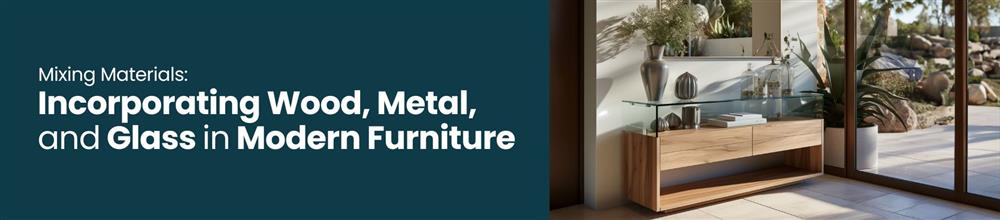
In the dynamic world of furniture design, the art of blending different materials has given rise to an exciting trend: mixing wood, metal, and glass. This fusion of elements creates furniture pieces that are not only visually captivating but also functionally versatile. In this article, we'll explore how the harmonious integration of these materials has led to the creation of modern furniture that appeals to both aesthetics and practicality.
Embracing Contrast and Balance
The juxtaposition of wood, metal, and glass within a single furniture piece introduces an intriguing play of contrasts. Each material brings its own unique qualities to the table:
- Wood: With its warmth, natural grains, and tactile appeal, wood lends a sense of organic beauty to furniture.
- Metal: Metal elements provide a touch of industrial chic, often associated with sleekness and durability.
- Glass: Glass offers transparency and lightness, allowing visual access while adding an element of sophistication.
When these materials come together, they form a balanced composition that can range from rustic to contemporary, minimalist to ornate, depending on the design intent.
Creative Combinations
Coffee Tables: A common manifestation of the wood-metal-glass trio, coffee tables can feature a wooden base, metal framework, and a glass tabletop. This design not only creates an open and airy aesthetic but also offers an ideal canvas for showcasing decorative elements beneath the glass.
Shelving Units: Blending wood, metal, and glass in shelving units combines functionality with elegance. Wood provides sturdy shelves, metal frames lend structural support, and glass elements add a touch of lightness to the design.
Desks and Workstations: For those seeking a contemporary work setup, desks featuring wooden surfaces, metal legs, and glass dividers or accents offer a sophisticated workspace that promotes both focus and creativity.
Dining Tables: Incorporating glass into dining tables can enhance the visual impact of intricate wooden or metal bases. The transparent surface allows the design of the base to take center stage, creating an eye-catching focal point.
Craftsmanship and Construction
The successful integration of wood, metal, and glass relies on expert craftsmanship. Each material requires specific attention to detail during construction:
- Wood: The selection of wood type, grain direction, and finishing techniques all contribute to the overall appearance and durability of the piece.
- Metal: Precise welding, finishing, and protective coatings ensure the metal components maintain their aesthetic appeal and structural integrity.
- Glass: Cutting, edging, and tempering techniques are critical to creating glass elements that are safe, functional, and visually pleasing.
The Functional Advantage
Beyond aesthetics, the combination of these materials offers functional advantages:
- Durability: Metal provides stability, wood adds durability, and tempered glass offers resistance to scratches and breakage.
- Versatility: The mix of materials allows for creative shapes and designs that cater to various tastes and interior styles.
- Light Play: Glass reflects and refracts light, enhancing the overall ambiance of a space, while metal and wood contribute to the play of textures.
The art of mixing wood, metal, and glass in modern furniture design showcases the endless possibilities that arise from the fusion of contrasting elements. As designers continue to push the boundaries of creativity, this trend offers furniture enthusiasts a chance to curate interiors that are not only visually striking but also tell stories of balance, contrast, and innovation. Whether it's a coffee table, shelving unit, desk, or dining table, the harmonious interplay of these materials promises to elevate the aesthetics and functionality of any living space.
Check our wide range of selections to mix-match and find your own style!
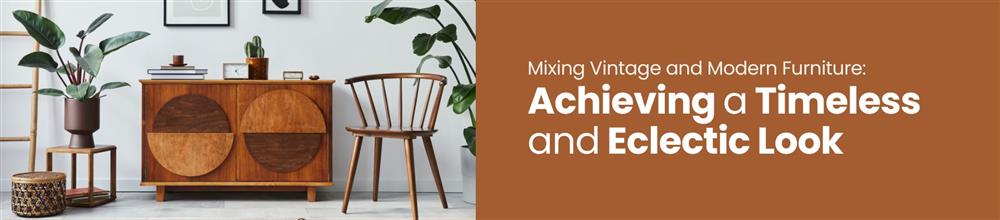
In the realm of interior design, a popular trend seamlessly blends the old and the new - mixing vintage and modern furniture. This delightful combination creates a timeless and eclectic look that adds character and charm to any living space. In this blog article, we will explore the art of blending vintage and modern pieces to achieve a harmonious balance that showcases your unique style while creating a warm and inviting atmosphere in your home.
Embrace the Contrast
One of the key principles of successfully mixing vintage and modern furniture is to embrace the contrast between the two styles. Modern furniture is characterised by clean lines, minimalism, and sleek designs, while vintage furniture often boasts ornate details, classic silhouettes, and rich textures. Instead of attempting to match everything perfectly, celebrate the differences and let them complement each other.
For instance, pairing a contemporary leather sofa with an intricately carved antique coffee table creates a striking visual juxtaposition that captivates the eye. The contrasting elements highlight the individual beauty of each piece, making the entire room more visually engaging.
Focus on Cohesive Colours
While you celebrate the contrast in styles, maintaining a cohesive colour palette is essential for a harmonious look. Choose a colour scheme that unifies the space and ties together the vintage and modern elements. Neutral tones, such as whites, greys, or earthy hues, can serve as a backdrop for both styles, allowing each piece to stand out without clashing.
Incorporate accent colours strategically to add depth and character to the room. For instance, cushions, rugs, or artwork can introduce pops of colour that enhance the overall design while bridging the gap between vintage and modern elements.
Balance Proportions
Proportion is crucial when mixing furniture styles. Be mindful of the scale of each piece to ensure they work well together. If you have a large vintage cabinet, balance it with a modern sofa or chairs of a similar visual weight. Avoid overcrowding the space with too many bold pieces from either style, as this can lead to a cluttered and overwhelming look.
Consider the layout of the room and the flow of movement. A well-balanced combination of vintage and modern pieces will create a space that feels inviting and comfortable while highlighting the uniqueness of each furniture style.
Create a Focal Point
A focal point in the room can tie the vintage and modern elements together effortlessly. It could be a standout vintage piece, such as an antique chandelier or an art deco mirror, or a modern statement piece, like a contemporary sculpture or an eye-catching rug. Let this focal point guide your design choices and help blend the different styles seamlessly.
Tell a Story with Accessories
Accessories play a significant role in tying vintage and modern furniture together. Display meaningful and personal items, such as family heirlooms, vintage photographs, or modern sculptures, to create a narrative that connects the past and the present. These personal touches infuse your living space with your unique history and personality, making it feel like a truly curated and cohesive home.
Mixing vintage and modern furniture is a captivating design approach that allows you to showcase your creativity and create a space that transcends time. Embrace the contrast between the two styles, focus on cohesive colours, and balance proportions to achieve a harmonious look. By creating a focal point and incorporating meaningful accessories, you can weave a story that connects the vintage and modern elements, resulting in a timeless and eclectic living space that reflects your distinctive taste and style. So, go ahead and embark on the journey of blending the old with the new, and let your home become a masterpiece of vintage and modern fusion.
.jpg)
When it comes to furnishing commercial spaces, selecting the right furniture style is crucial. Different business environments have unique requirements and aesthetics, and the choice of furniture plays a significant role in creating the desired atmosphere. Whether you are furnishing an office, restaurant, hotel, or retail store, understanding which commercial furniture styles suit each environment can help you make informed decisions. In this article, we will explore various business environments and the furniture styles that best complement them.
Office Spaces: Office environments often prioritise functionality, professionalism, and productivity. Here are some furniture styles that suit office spaces: Modern and Contemporary: Clean lines, sleek designs, and minimalistic aesthetics characterise modern and contemporary furniture. These styles create a sleek and professional look that is suitable for tech companies, creative agencies, and modern office settings.
Traditional: Traditional furniture styles convey a sense of elegance and sophistication. They are well-suited for law firms, corporate offices, and establishments that prefer a timeless and classic appeal.
Ergonomic: Ergonomic furniture focuses on promoting comfort and proper posture. It is ideal for offices that prioritise employee well-being and want to reduce the risk of work-related injuries.
Restaurants and Cafés: Restaurants and cafés require furniture that enhances the dining experience and reflects the establishment's theme or cuisine. Consider the following styles: Rustic and Industrial: Rustic and industrial furniture styles create a cosy and laid-back atmosphere. They are ideal for casual dining establishments, coffee shops, or farm-to-table restaurants.
Modern and Minimalistic: Clean lines, neutral colours, and sleek designs characterise modern and minimalistic furniture. This style works well for contemporary restaurants or establishments that aim for a modern, upscale vibe.
Vintage and Retro: Vintage and retro furniture styles add a nostalgic charm and evoke a sense of nostalgia. They are suitable for themed restaurants or cafés that want to create a unique and eclectic ambiance.
Hotels and Hospitality: Hotels and hospitality spaces should provide a welcoming and comfortable environment for guests. Consider the following furniture styles: Luxury and Contemporary: Luxury furniture styles exude elegance and opulence. They are suitable for high-end hotels, luxury resorts, and boutique accommodations.
Transitional: Transitional furniture styles strike a balance between classic and contemporary aesthetics. They are versatile and can fit various hotel styles, from upscale to boutique.
Functional and Space-Saving: Hotels often require furniture that is functional and space-saving, especially in smaller rooms or limited spaces. Look for multi-purpose furniture and modular designs to optimise space utilisation.
Retail Stores: Retail environments should prioritise product display and customer comfort. Consider the following furniture styles: Modern and Sleek: Contemporary and modern furniture styles with clean lines and streamlined designs work well in retail stores. They allow the products to take centre stage while creating a visually appealing shopping experience.
Eclectic and Artistic: Eclectic furniture styles with unique designs and artistic elements can add character to retail spaces. This style is suitable for boutiques, concept stores, or stores with a distinct brand personality.
Customised and Modular: Retail spaces often require customisable and modular furniture to accommodate changing displays and layouts. Look for furniture that can be easily reconfigured and adapted to suit the store's changing needs.
Choosing the right furniture style for your commercial space is essential for creating the desired ambiance, functionality, and customer experience. Consider the specific requirements of your business environment, such as offices, restaurants, hotels, and retail stores, and select furniture styles that align with your brand identity, aesthetics, and functional needs. By understanding which commercial furniture styles suit different business environments, you can create a space that enhances productivity, comfort, and customer satisfaction.
Check our commercial grade furniture and add-ons such as sofas, coffee tables, and more!


.webp)
_200.webp)